Search results for ‘dylan’
Amos Lee Covers:
John Prine, John Denver, Sam Cooke, Dylan, Madonna & more!
September 5th, 2016 — 04:30 pm

Amos Lee came into my life just in time to rock my second child to sleep, making it easy to mark the eleven years since Arms Of A Woman hit me in the heart like a slow motion bullet. Since then, the soulful singer-songwriter has become a go-to guy for series of strong tribute albums and covers collections – making him an easy candidate for a Cover Lay Down artist feature that gathers in 18 of our favorite live and studio covers for a set that’ll tear your heart out.
Lee was a latecomer to the craft; he received his first guitar in college, and worked as an elementary-level schoolteacher and bartender in his native Philadelphia before deciding to dedicate his life to music at the age of 25. But once determined, his rise to fame was rapid and resoundingly celebrated. Early opening act gigs for BB King and Mose Alison and a demo submission to jazz-and-more label Blue Note Records in 2004 led to tours with Norah Jones and Bob Dylan the following year, and a self-titled debut whose songs found rapid-fire exposure on a multitude of House, ER, Parenthood, and other TV shows and commercials known for showcasing the new, hip indie marketplace.
No one was surprised when Lee’s 2011 album Mission Bell, with its stark landscape, restless momentum, and guest appearances from Lucinda Williams, Willie Nelson, Priscilla Ahn, Pieta Brown, and Sam Beam debuted at the top of the Billboard charts. The man had made his mark, and subsequent tours with everyone from Merle Haggard to Adele would only cement his influence in the post-millennial world.
In many ways, though, Amos Lee’s rapid rise was foretold by his music. It’s hard not to love Lee upon first listen; arguably, the man has more soul in his vocal delivery than anyone else in his generation and genre. But dig deeper, and his true mastery becomes clear: there’s subtle, nuanced delivery and arrangement here, and a deceptively simple way with a lyrical hook that owes as much to the formative influence of early acoustic soul balladeers like Donny Hathaway and Bill Withers as it does to the muddy, raw Delta bluesfolk at the heart of the American folkways, the gritty sounds of John Prine, and the sparse contemporary jazzfolk sounds of Joni Mitchell and labelmate and contemporary Jones.
The result is consistent: an elegantly honest portrayal of deep emotional truths, crisp and achingly framed, in clear, deep, and emotional performance; a collected output of six full-length albums of original songs, one live album, that original Blue Note EP, and a sequence of guest appearances and one-shot coversongs that evades easy genre categorization even as it stands out for its originality, its craftsmanship, and its soul.
So click below to download studio covers of John Prine, Bob Dylan, Fred Neil and Madonna, an iTunes session Neil Young/Ween two-fer, collaborations with The Wood Brothers and Calexico and Iron & Wine, and the best, clearest live covers we could find, from soulful solo takes on Sam Cooke and The Commodores to majestic in-concert versions of November Rain and Fat Bottomed Girls. Come, see why Amos Lee’s interpretation of John Denver’s Some Days Are Diamonds, originally shared here in 2013, is the single most played song in our collection. Come, fall back in love with us.
- Amos Lee: Some Days Are Diamonds (orig. John Denver) [2013]
- Amos Lee: Speed of the Sound of Loneliness (orig. John Prine) [2005]
- Amos Lee: Little Bit of Rain (orig. Fred Neil) [2009]
- Amos Lee: Buenas Tardes Amigo (orig. Ween) [2011]
- Amos Lee: American Tune (orig. Paul Simon) [2011]
- Amos Lee: November Rain (orig Guns ‘n Roses) [2011]
- Amos Lee: Are You Ready For The Country (orig. Neil Young) [2011]
- Amos Lee: Christmas In Prison (orig. John Prine) [2013]
- Amos Lee: A Change Is Gonna Come (orig. Sam Cooke) [2014]
- Amos Lee: Like A Virgin (orig. Madonna) [2014]
- Amos Lee: Fat Bottomed Girls (orig. Queen) [2014]
- Amos Lee: Easy Like Sunday Morning (orig. The Commodores) [2014]
- Amos Lee: Lovely Day (orig. Bill Withers) [2014]
- Amos Lee: Zombie (orig. The Cranberries) [2015]
- Amos Lee and The Forest Rangers: Boots Of Spanish Leather (orig. Bob Dylan) [2014]
- Amos Lee ft. Calexico: Seven Spanish Angels (orig. Willie Nelson & Stevie Wonder) [2013]
- Iron & Wine, Calexico, Nick Lowe, Glen Hansard, Kathleen Edwards, Beth Orton, Amos Lee: Hallelujah (orig Leonard Cohen) [2013]
- The Wood Brothers ft. Amos Lee: Angel (orig. Jimi Hendrix) [2008]
Always ad-free and artist-friendly, Cover Lay Down has been exploring the folkways through cover songs since 2007 thanks to the generous support of readers like you. Coming soon: our annual Fall fund drive, plus a look at new tribute albums and compilations from the end of the summer!
Forever Young: A Coverfolk Mix
(with covers of MGMT, John Mayer, Bob Dylan, Wilco & more!)
February 8th, 2016 — 03:38 pm
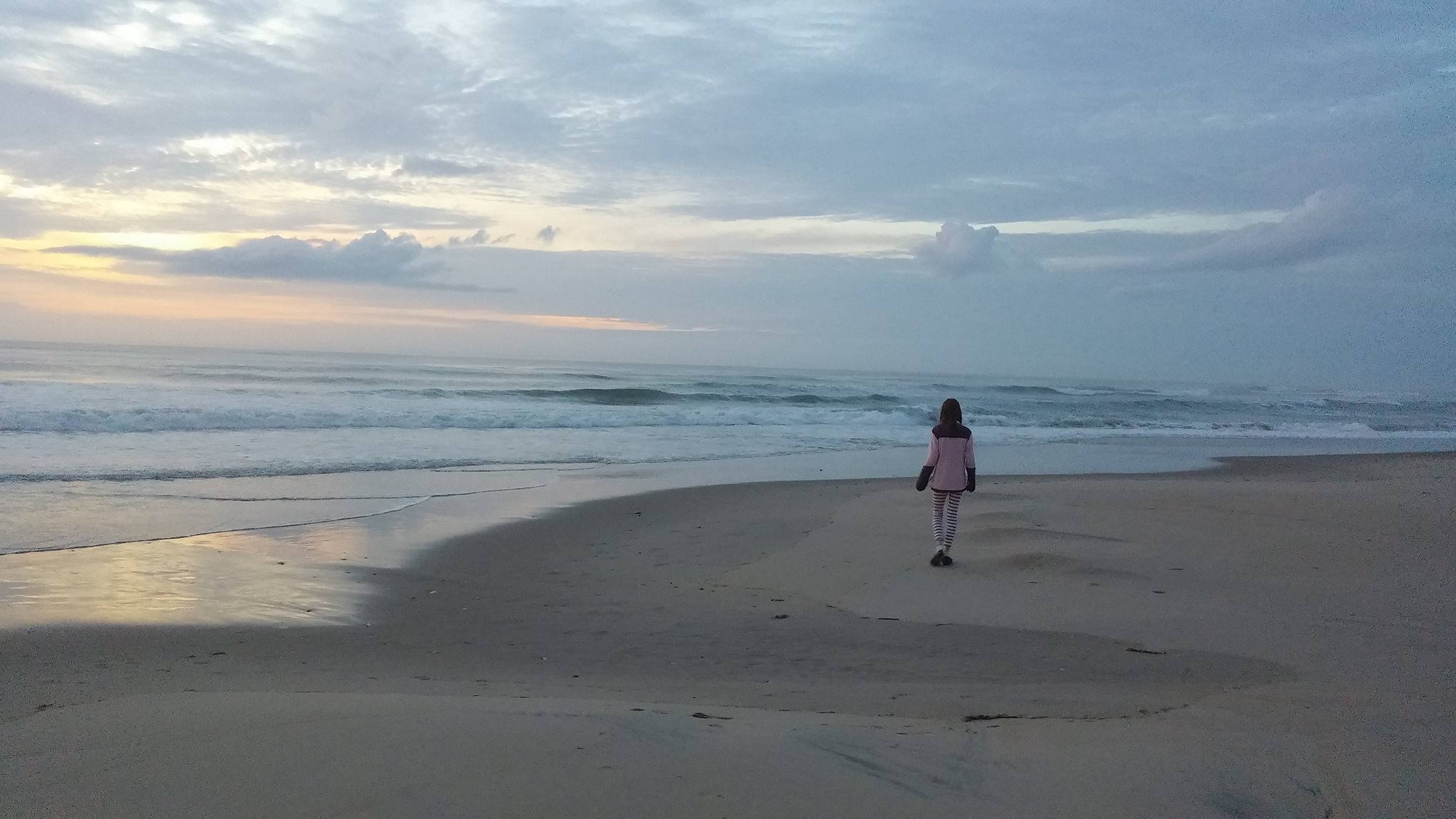
The skies are dry, but thanks to the magic of modern storm-tracking technology, it’s another snow day here in rural New England, where a midday snowfall can leave you stranded halfway up the mountain pass between work and home. And thank goodness for that, because although the kids are surely old enough to scavenge and survive for a few hours without a parent in the house, their mother’s been away at class all weekend, and she isn’t expected home until Tuesday.
The kidfolk posts that once peppered the blog are long gone; the lullabies we share here are rarer, and flavored with nostalgia. The wee one grows tall and thin and independent; the elderchild has a boyfriend, who grins and wears his hair in a ponytail, like I did in college. We leave them home alone together on Thursday nights, and have dinner out, just the two of us, before choir rehearsal.
Today, we will play together: on the sledding hill, and the Shopkins board game we worked on all weekend, and finished yesterday. This afternoon we might make meatloaf again, or omelettes, or something else that Daddy isn’t supposed to know how to make. Tomorrow, with their mother still gone, they’ll walk together to the library after school, and wait for me to pick them up. And if it hurts one or both to do it, they will have each other to lean on, and themselves.
And one day, soon and very soon…they will move on, and out, and farther still, to the stars.
I miss the small, tireless children they once were, and I always will, I think. But even as development brings joy in shared complexity, there are some things that do not fade as our children get older: the grace and gratefulness of the unexpected moment together, precious and rare; the sheer delight of shared laughter; the comfort of holding each other tight, in the midst of pain and bittersweet memory.
And as these, and more, take their place in our hearts, there is pride and connection to be found in the deep maturation of these children into these willowy almost-women. I admire them, and that admiration and love grows fiercer every day. And here in front of the fire, snuggled close against them, I ache for the passage of time, too.
Because we are human, and we can do both. And must, if we are to survive intact.
A simple set today, then, of songs for the young folks, yours, mine, and ours. May they stay forever young in our hearts, and theirs, as they wend their way through the universe with wisdom, grace, and gravity.
- Vena Portae: Young Folks (orig. Peter, Bjorn & John) [2014]
- Lady Danville: Kids (orig. MGMT) [2010]
- Kyle Riabko: Daughters (orig. John Mayer) [2014]
- Audra Mae: Forever Young (orig. Bob Dylan) [2008]
- Liz Longley: The Circle Game (orig. Joni Mitchell) [2007]
- Lucy Kaplansky: Goodnight My Angel (orig. Billy Joel) [2007]
- Mark Erelli: My Darling (orig. Wilco) [2007]
- Taken By Trees: Sweet Child O’ Mine (orig. Guns ‘n Roses) [2008]
- The Hemlock Gorge Boys: Sweet Child O’ Mine (ibid.) [2006]
Ad-free and artist-friendly since 2007, Cover Lay Down features musings on the modern folkways through the performance of popular song year-round thanks to the kindness of patrons like you. Give now to support our continuing mission, and receive an exclusive mix of otherwise-unblogged coverfolk from 2014-2015.
The Folkier Side of Ed Sheeran
(covers of tradfolk, Dylan, Nina Simone, Elton John, Jay Z and more!)
January 18th, 2016 — 01:28 pm
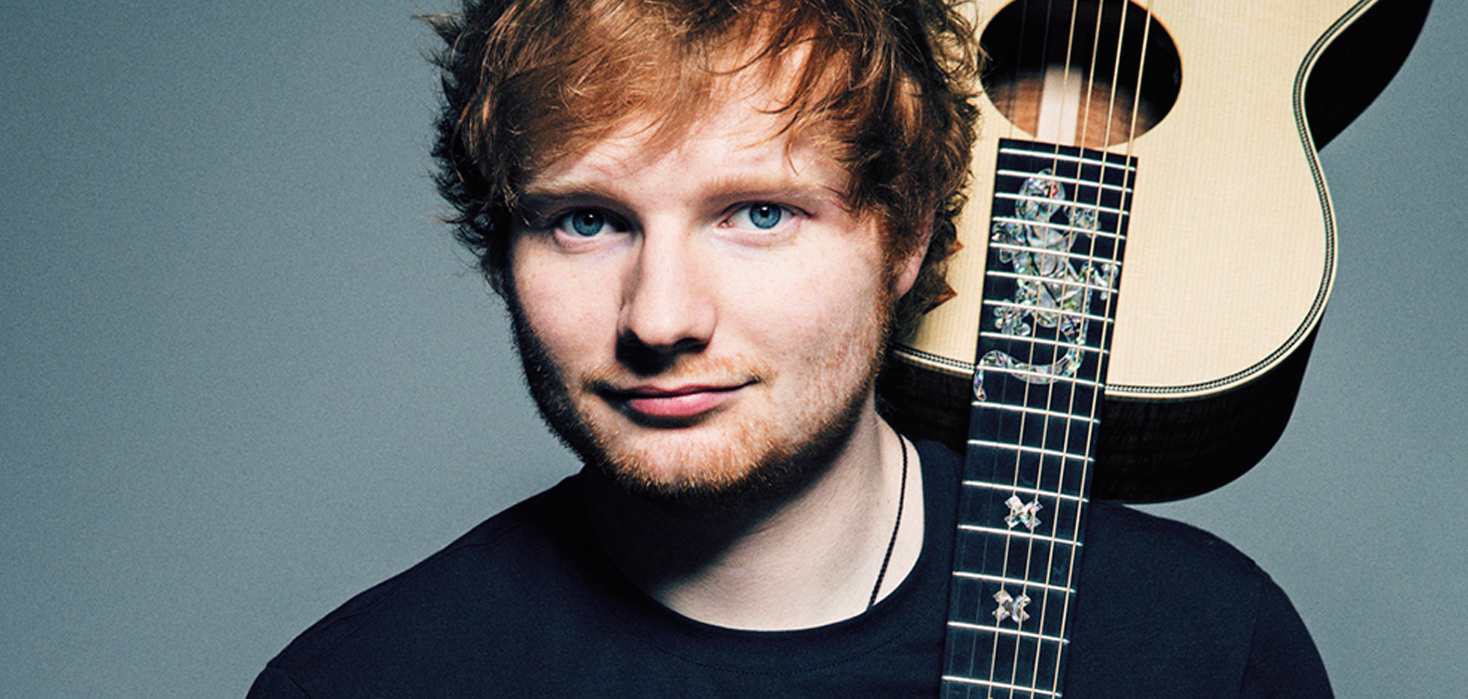
If you’ve heard pop radio in the last few years, you’ve certainly heard Ed Sheeran. At just 24, the boyish songwriter who learned to love Dylan, Clapton, and Van Morrison as he traveled into London in the family van on weekends is already a multi-platinum-seller, nominated for Best New Song and Best New Album Grammys in subsequent years; he’s sold out Madison Square Garden, and performed at the closing ceremonies for the 2012 Olympics.
Sure, he’s written for One Direction and Taylor Swift, and performed with Elton John. He cites Eminem and British folk/hip-hop duo Nizlopi as influences alongside The Beatles and Damien Rice. His second EP featured a set of pairings with artists from the grime genre, showing an early penchant for exploration and collaboration.
But listened to with the folk ear, especially in his frequent live in-studio performances on the BBC and elsewhere, Sheeran comes off as a modern-day Tracy Chapman, slippery and soulful, albeit with a hint of youthful exuberance and bounce. Fluid strum and pick patterns typify his solo work, with lusty yet tender vocals that fade in and out of song. The boy simply exudes authenticity, humility, and generosity, in persona and in song, as he works to tap into the universal sentiments of his world.
Whether he’s taking on the traditional folk canon, fellow folk artists from Dylan to Bon Iver, or just stripping down popular songs such as Hit Me Baby One More Time or We Found Love, both of which we’ve heard covered in folk here before, Sheeran brings boyish charm and a playful reverence to the lyrics and songs of others, exposing a mature sense of his own influence, and of the culture of music that surrounds him. And his talent for interpretation is facile and quick: his creative transformation of Lorde’s Royals, for example, was learned in 2 and a half minutes while the original played in the studio, and recorded immediately afterwards, live and on-air; the layered, looped beatbox takes on Wayfaring Stranger and Nina Simone’s Be My Husband in today’s set were captured live, in one take.
Sheeran’s rich, gentle take on Elton John’s Candle In The Wind, released in 2013 as part of an album of covers honoring the 40th anniversary of Goodbye Yellow Brick Road, echoes the best of the California folk rock movement of the seventies. And although only two cover songs appear on his own records – the a capella version of traditional Irish folksong The Parting Glass which appears as a hidden track on his debut full-length, and the gentle solo piano-driven version of Planxty’s The West Coast Of Clare that caps off 2007 self-released EP Want Some – there’s literally dozens of intimate, eminently listenable covers out there. Here’s our favorites, from traditional to modern; download them all in one set, or listen independently below.
- Ed Sheeran: Wayfaring Stranger (trad.)
- Ed Sheeran: Wild Mountain Thyme (trad.)
- Ed Sheeran: The Parting Glass (trad.)
- Ed Sheeran: The West Coast Of Clare (orig. Planxty)
- Ed Sheeran: Don’t Think Twice (orig. Bob Dylan)
- Ed Sheeran: Masters Of War (orig. Bob Dylan)
- Ed Sheeran: Make You Feel My Love (orig. Bob Dylan)
- Ed Sheeran: Skinny Love (orig. Bon Iver)
- Ed Sheeran: Candle In The Wind (orig. Elton John)
- Ed Sheeran: Be My Husband (orig. Nina Simone)
- Ed Sheeran: Ain’t No Sunshine (orig. Bill Withers)
- Ed Sheeran: In My Life (orig. The Beatles)
- Ed Sheeran: Wish You Were Here (orig. Pink Floyd)
- Ed Sheeran: Empire State Of Mind (orig. Jay Z)
- Ed Sheeran: Royals (orig. Lorde)
- Ed Sheeran: Wonderwall (orig. Oasis)
- Ed Sheeran: Someone Like You (orig. Adele)
- Ed Sheeran: We Found Love (orig. Rihanna)
- Ed Sheeran: Dirrty (orig. Christian Aguilera)
- Ed Sheeran: Hit Me Baby One More Time (orig. Britney Spears)
- Ed Sheeran ft. Gary Lightbody: Chasing Cars (orig. Snow Patrol)
- Ed Sheeran and Passenger: No Diggity / Thrift Shop (orig. Blackstreet / Macklemore & Ryan Lewis)
Ad-free and artist-friendly since 2007, Cover Lay Down features musings on the modern folkways through the performance of popular song year-round thanks to the kindness of patrons like you. Give now to support our continuing mission, and receive an exclusive 38-track mix of otherwise-unblogged folk covers from 2014-2015!
I’m Getting Older, Too: A Coverfolk Mixtape
(from Bowie’s Changes to Dylan’s Back Pages!)
August 11th, 2013 — 10:04 am
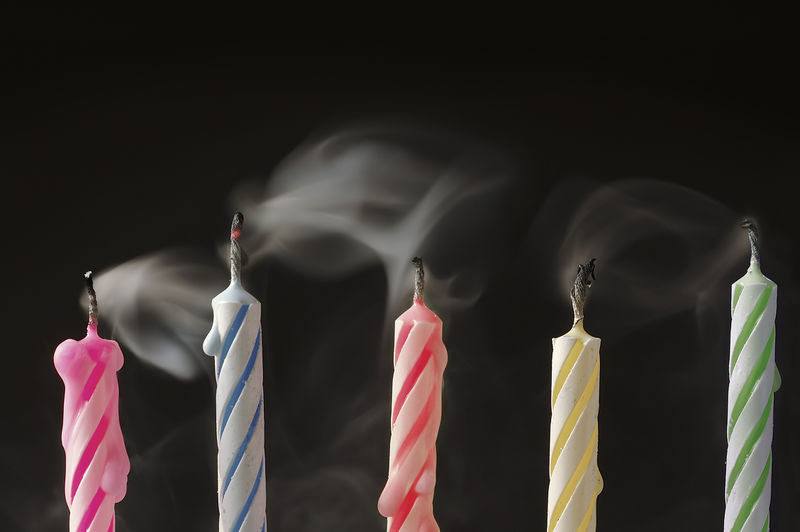
Though the folk camp skews older, it is not irrelevant that I am older than most music bloggers. Age matters, in the intersecting world of music and homage which we inhabit. Our tastes are formed by the mass media clutter and the countercultural alternative scenes of our own individual youths; even as our collections diversify and improve in time, our touchstone foundations are always a product of the worlds of our teens and twenties. My formative years covered the emergence of MTV, and assume the three minute narrative as compass and companion; I think fondly of cassettes, and think in CD format better than any; though we cover Dylan and The Beatles here too, the songs that ring truest as tribute to me spring from the 80s and forward, and from my father’s record collection.
Generational grounding is a common thread here at Cover Lay Down – I have made no secret of the ways in which my own time-and-space history brings me to Mary Lou Lord, Nirvana, or Michael Jackson, to pick a diverse sample. But in truth, there are more personal reasons to muse on aging today: as of yesterday, my wife is 40, too; today we head North for an in-law’s retreat in the woods to celebrate, with friends and family, food and drink.
But although we exchange our trinkets, gratefully, gifts seem trivial: we are young at heart, and work hard in our own ways to model youth for our children, and to maintain a seemingly effortless and innate childlike wonder. Most days, that is blessing enough.
To be fair, it gets harder every year to be young. But there is compensation: as I have come to own the winding path that has led me here, I find myself pensive yet fearless in the face of further age. And being here, now, without fear and with curiosity intact helps me be a better parent, a better husband, a better teacher, a better me.
Some songs about growing older, and checking in on the changes, then – covering the gamut from pensive to protesting, from aging gracefully to railing against the dying of the night. May you cherish the moments in time you inhabit, and put them away carefully when they are through. May you, too, sing your histories and futures.
- Getting Older: A Coverfolk Mixtape [zip!]
- Jack Johnson: A Pirate Looks At 40 (orig. Jimmy Buffett) [2004]
- Luke Vasella: Pacing The Cage (orig. Bruce Cockburn) [2010]
- Matt Skinner: Mother’s Little Helper (orig. Rolling Stones) [2009]
- Abby Mae and the Homeschool Boys: Landslide (orig. Fleetwood Mac) [2010]
- Peter Paul & Mary: 75 Septembers (orig. Cheryl Wheeler) [1995]
- The Deadly Gentlemen: A Touch Of Grey (orig. Grateful Dead) [2012]
- Blind Corn Liquor Pickers: Once In A Lifetime (orig. Talking Heads) [2005]
- Seu Jorge: Changes (orig. David Bowie) [2003]
- Matt Tyler: Glory Days (orig. Bruce Springsteen) [2006]
- Martin Simpson: Strange Affair (orig. Richard Thompson) [2011]
- Ana Egge: In The Backseat (orig. Arcade Fire) [2007]
- Tom Corwin & Tim Hockenberry: My Back Pages (orig. Bob Dylan) [2002]
- Audra Mae & The Forest Rangers: Forever Young (orig. Bob Dylan) [2011]
- Ben Harper: Angel From Montgomery (orig. John Prine) [1992]
Cover Lay Down is back from the summer folkfields with new features twice weekly! See you soon!
Double Dippers, Vol. 1: Singer-songwriters visit & revisit
Dylan, Dawes, Guthrie, Springsteen, John Prine, and more!
June 1st, 2013 — 03:06 pm

As the average promotional bio can attest, many singer-songwriters and folk artists find a spark in a small, select set of early influences; part of the process of learning to take on the mantle of your own artistry involves imitation of the formative experience. I imagine the process much like that of any fan with even a small modicum of skill on any instrument, wherein the urge to reproduce and channel prompts vocalization and handwork, first tentatively and, finally, with confidence, as we learn from the hidden masters on our stereo.
It’s not the only fount of coverage, of course. Mutual respect for an artist can just as easily prompt re-creation of the heard, so can discovery, rediscovery, or merely whim. Yet we assume that artists’ tribute clusters around a weighted crowd, with some small set of heavy hitters in the mix whose songs that artist knows by heart.
Recording those songs, however, is less often done. Towards the center of folk, formal recordings of covers trend towards the vast, not the narrow – I suppose because it risks too narrow an alliance between cover artist and originator to overcover – influence is one thing, but the curse of being “another Dylan” looms large next to its implied blessing.
And so, although we’ve seen some great single-artist tribute albums in the past few years, with the exception of a few major and prolific muso-cultural influencers – the songbook of AP Carter in the tradfolk crowd, for example, of Dylan and Guthrie in the straight-up folk camp, or of Bill Monroe, who arguably established and collated the sound that would become bluegrass, thus ensuring that his songs would be ever in the hands of those who would follow – it remains relatively rare for an artist to cover another in two different stages of their career. But it does happen, and when it does, the loss of the artistic variable of authorship makes such pairings a potent lens for exploring how an artist matures, evolves, or expands creatively.
Today, in the first of what we hope will be a multi-part exploration of such re-covered incidences and accidents, we take a deeper look at how and why through the lens of some favorite double dips.
- Barnstar! When My Time Comes (orig. Dawes) [2011]
- Mark Erelli: Moon In The Water (orig. Dawes) [2013]
- Though the LA folkrock band who wrote this pair did not form until 2009, as he notes on his website, thanks to a well-considered and newly committed relationship with the band, Mark Erelli has already taken on the Dawes songbook in two very different incarnations: as a member of gleeful-sound folkgrass quintet Barnstar! and this month, in a slow, mournful otherwise-unreleased home-studio take on Moon On The Water which strips the band’s work down to guitar, faint marching drums, slow fiddle strokes, and that inimitable voice layered in chorus. Erelli is no stranger to double coverage, having released several live Randy Newman covers, and multiple tributes to friend and mentor Bill Morrissey, through his long-standing Mp3 of the Month series.
- Be Good Tanyas: In My Time Of Dying (orig. Bob Dylan) [2003]
- Frazey Ford: One More Cup Of Coffee (orig. Bob Dylan) [2010]
- Many have covered Dylan multiple times, but Frazey Ford’s pair beats a full house: As a founding member of Vancouver-based femmefolk trio The Be Good Tanyas, Ford was featured on 2003 Chinatown cut In My Time Of Dying; seven years later, on her debut as a post-breakup solo act, her soulful influences shine through on One More Cup Of Coffee. The versions, both transformative, share much in the way of sound, with the ragged rhythms and urgency so typical of her work and theirs, and that incredible, fragile voice, but they’re couched so differently – one layered and lush Americana, one staggered and bouncy tradfolk – it’s hard to imagine them on the same album.
- Richard Shindell: Fourth of July, Asbury Park (orig. Bruce Springsteen) [2002]
- Richard Shindell: Born In The U.S.A. (orig. Bruce Springsteen) [2007]
- Richard Shindell’s modus operandi shifted a bit between the 2001 concert that spawned live release Courier and South of Delia, the 2007 covers album that sparked this very blog, deepening into something more rich and layered and tinged with both indie rock and pop elements that come through loud and clear in the studio. Springsteen benefits from this major lift in both cases: the relative rawness of Shindell’s live 2001 full-band Fourth of July contrasts strongly with his deconstructed Born in the USA, making of the first the perfect plaintive love song, the second a complex treatise, and the perfect politicized anti-anthem.
- Red Horse: Sanctuary (orig. Eliza Gilkyson) [2010]
- Lucy Kaplansky: The Beauty Way (orig. Eliza Gilkyson) [2012]
- Like many prolific artists of various stripe, Lucy Kaplansky has covered the Beatles several times – and Steve Earle, Cliff Eberhardt, and Bill Morrissey more than once as well. But Kaplansky’s lead vocals on Eliza Gilkyson’s Sanctuary may well be my favorite cover song of the last few years – and a permanent fixture atop my personal hope-and-heartbreak mix, which reveals just why her power as a balladeer and portraiture painter is unparalleled in the eyes of father and son. Although only two years separate the release, the cover stands in strong contrast to her take on Gilkyson’s The Beauty Way, off new release Reunion, which shows the more contemporary folk sound that Kaplansky trends towards in her own solo work.
- Amos Lee: Speed of the Sound of Loneliness (orig. John Prine) [2005]
- Amos Lee: Christmas In Prison (orig. John Prine) [2008]
-
Though Amos Lee‘s beautifully controlled blues vocalisms stand at odds to the truly broken tone of John Prine, his debt to Prine is audible in their comparably evisceral delivery. The slow, powerful yearning of lyric and line-reading Lee inherits are especially evident in Christmas In Prison, recorded for an XPN-broadcast Aimee Mann Christmas special in 2008 – the live setting reveals more rawness – while the gentle, understated pain in the studio recording of Speed of the Sound of Loneliness, a b-side from 2005 single Keep It Loose, Keep It Tight is more consistent with the sparse intimacy that first made me fall in love with his soulful voice.
- Old Crow Medicine Show: Union Maid (orig. Woody Guthrie) [2006]
- Old Crow Medicine Show: Deportee (Plane Wreck at Los Gatos) (orig. Woody Guthrie) [2007]
- Old Crow Medicine Show is a crowd on the new tradfolk line, but they pay due tribute to their singer-songwriter influences. Their treatment of Guthrie is especially illuminating: the first, a fast, raw and raucous 2006 take on Union Maid that finds the band in full-bore political party mode; the second, a next-year take on Deportee which may well have been solicited for the Songs of America compilation on the strength of the former, but bares scant resemblance, as it meanders like a cowboy’s slow roadsong, pushing harmonies and concertina over the pick and strum.
Looking for further coverage from the folkworld? Join the Cover Lay Down facebook page for ongoing one-shot stream and video postings throughout the week, and keep an eye open for news of part 2 of our series in the next few, featuring Kasey Chambers covering Lucinda Williams, Josh Ritter covering John Prine, Red Molly covering Susan Werner, Shawn Colvin covering The Beatles, either Colvin or Ani DiFranco taking on the Greg Brown songbook (we still can’t decide!), and more double-dipping coverage histories. Also coming soon: our semi-annual fund drive, new coverage from the mailbag, a third house concert with local favorite Meg Hutchinson, and more!
1 comment » | Amos Lee, Be Good Tanyas, Double Dippers, Lucy Kaplansky, Mark Erelli, Old Crow Medicine Show, Richard Shindell
Carolina Coverfolk, Volume 6: James Taylor covers Sam Cooke, The Beatles, Bob Dylan, The Louvin Brothers & more!
April 21st, 2013 — 08:41 pm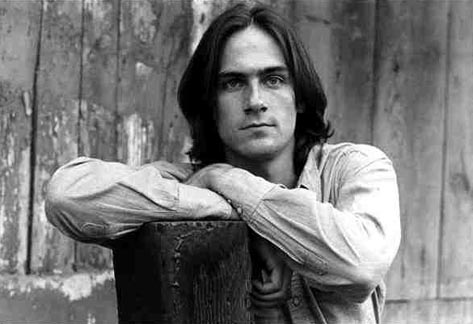
As in past years, I’m a bit woozy today after yesterday’s all-day drive up the East Coast from North Carolina. My head still swims with the sights of barbecue joints and crabcake stands, and roadside shacks where one can get smoked ham and sausages, local peanuts, and fireworks to celebrate it all.
But it’s good to be home, where the daffodils are in full blown bloom, even if the lawn still struggles against the moss and hemlock. The American South is a wonderful place to visit; I like seeing the world, and though I’ve been to more countries than states, the diversity of the US pleases me. But the beach-to-woods geography and seasonal shifts of the American Northeast feel right, somehow. With a few tiny stints out of bounds, I’ve been a Massachusetts-based New Englander all my life, and I expect to be one for the remainder of it.
James Taylor likes Massachusetts, too. And by the time I wrote the original feature below in 2008, I’d already been promising myself a feature post on good ol’ JT for ages. What better way to celebrate our triumphant return from a week in the Carolinas than with a resurrected 20-song megapost on the coversongs of this incredible singer-songwriter plus a 10-track Single Song Sunday bonus set of You Can Close Your Eyes – my favorite James Taylor composition? And so, ladies and gentlemen: James Taylor, Massachusetts resident and one-time North Carolina transplant.
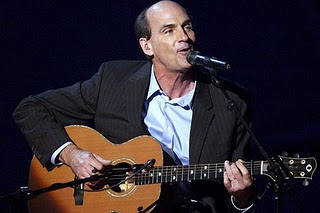 Born in Boston, James Taylor spent his adolescence in Chapel Hill, North Carolina, where his father was Dean of the UNC School of Medicine. But the family retained strong ties to Massachusetts, summering in Martha’s Vineyard; James attended boarding school at Milton Academy, and when he struggled with depression in his early adulthood, he headed for McLean’s Hospital, a stately suburban instititution just outside of Boston where I remember visiting one of my own friends in the last year of high school.
Though he has since lived in California and London, and though his signature voice retains the barest hint of southern twang under that clear-as-a-bell blueblood bostonian accent, like me, Taylor has always returned to the Massachusetts he loves. Today, he lives about thirty miles west of here, in the Berkshires, just on the other side of the Adirondack ridge. And he retains strong ties to his beloved Martha’s Vineyard, performing there each summer, sometimes with Ben and Sally, his children by ex-wife Carly Simon, who is also a Vineyard resident.
Beyond our shared love of the beaches and woods of Massachusetts, there’s something immutably local and authentic about my experience with James Taylor. My childhood understanding of and familiarity with folk music as a genre and a recorded phenomenon was primarily driven by a strong record collection at home, but my experience of acoustic music as folk – as something singable and sharable and communal – was peppered with young camp counselors who had learned their guitar licks from the radioplay of the day. For me, Fire and Rain will always be a song for campfire singalongs, one which helps me come to terms with the bittersweet and constant state of being both in good company and away from home.
Too, James Taylor was my first concert, and you never forget your first. I remember lying on the summer grass at Great Woods (now the Tweeter Center), looking up at the stars and letting the wave of Fire and Rain wash over me. I remember peering at the stage and recognizing the way James smiled at us, at bass player Leland Sklar, at the song itself as a kind of genuine communion, one which flavored the performance with something valid and universal.
Because of that night, and the organic songs-first-performance-afterwards way I came to it, James Taylor, for me, is the standard by which I measure the authenticity of folk performance. That so many shows have not met that standard since then is a tribute to both Taylor’s gentle nature, and his way with song and performance.
James Taylor’s voice is unmistakable, almost too sweet for some, and he doesn’t fit my every mood. His loose, white-man’s-blues guitar playing is better than most people give him credit for, but it is often downplayed in his produced work. But in the back of my mind his songs are a particular form of homecoming, one intimately tied to summer song and simple times outside of the world as we usually live it. And when I sing Sweet Baby James or You Can Close Your Eyes to my children at night, there’s a part of me that’s back on that summer lawn, letting the music reach a part of me that cannot speak for itself.
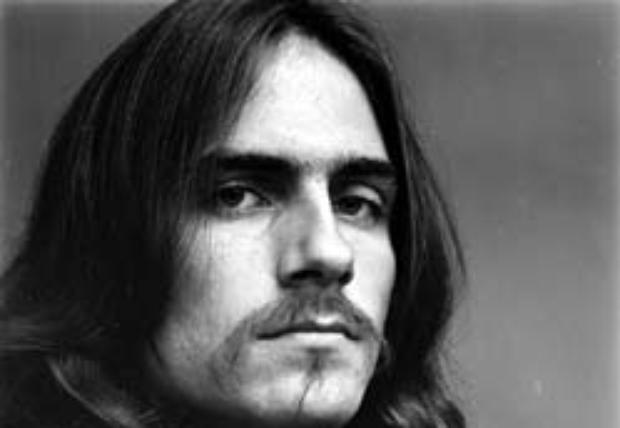 We’ll have a few choice covers of Taylor’s most popular in the bonus section of today’s megapost. But first, here’s a few of the many songs which Taylor has remade in his own gentle way over the years: doo-wop standards, sweet nighttime paeans and lullabies, hopeful protest songs, and others.
Though James Taylor does have his pop side, this isn’t it. You’ve heard ’em before, so I’ve skipped the covers which Taylor has made his own through radioplay over the years — including Carole King’s Up On The Roof and Marvin Gaye’s How Sweet It Is (To Be Loved By You) — though I did keep a live version of Handy Man in the mix, and thought it worth trying the newer version of You’ve Got A Friend from Taylor’s stripped-down favorites recording One Man Band. I’ve also skipped his lite pianojazz ballad version of How I Know You, from the Aida soundtrack, and the vast bulk of his two recent saccharine-sweet covers albums: it’s not folk, and it’s not my thing.
Instead, by presenting a selection of Taylor’s rarer and lesser-known coversong all at once, it is my hope that the diversity of the source material here allows even the most jaded of us to come to what is too-often dismissed as Adult Contemporary pablum with new ears, attuned to more subtle differences of tone and undertone — to explore and even collapse the distance between bittersweet and tender, longing and acceptance, home and homesickness, which continues to make James Taylor worth listening to, and celebrating.
- James Taylor: A Change is Gonna Come (orig. Sam Cooke)
(performed on The West Wing, 2004)
- James Taylor: In My Life (orig. The Beatles)
(live on the BBC, 2010)
- James Taylor: Wasn’t That A Mighty Storm (trad.)
(live in New York, 2012)
- James Taylor: Walkin’ My Baby Back Home (Turk/Ahlert)
(from Hourglass, 1999)
- James Taylor: Second Star To The Right (orig. Disney)
(from Stay Awake: Interpretations of Music from Disney Films, 1988)
- James Taylor: You’ve Got A Friend (orig. Carole King)
(from One Man Band, 2007)
- James Taylor: Suzanne (orig. Leonard Cohen)
(from Covers, 2008)
- James Taylor: She Thinks I Still Care (orig. Dickey Lee; pop. George Jones)
- James Taylor: Handy Man (orig. Sparks of Rhythm)
(from (Live), 1993)
- James Taylor: Oh, Susannah (trad.)
(from Sweet Baby James, 1970)
- James Taylor: Everybody Loves To Cha Cha Cha (orig. Sam Cooke)
(from New Moon Shine, 1991)
- James Taylor: Greensleeves (trad.)
- James Taylor: On Broadway (orig. The Drifters)
(live from the Oakland Colliseum, 1972)
- James Taylor: The Water Is Wide (trad.)
(unknown live source)
- James & Kate Taylor: Auld Lang Syne (trad.)
(from a CD single, 1999)
- James Taylor, Carly Simon, and Graham Nash: The Times They Are A-Changin’ (orig. Bob Dylan)
(live from No Nukes: The Muse Concerts For a Non-Nuclear Future, 1979)
- James Taylor, Yo Yo Ma, Edgar Meyer, Mark O’Connor: Hard Times Come Again No More (orig. Stephen Foster)
(from Appalachian Journey, 2000)
- James Taylor, Mark O’Connor et al.: Johnny Has Gone For A Soldier (trad.)
(from Heartland: An Appalachian Anthology, 2001)
- Mark O’Connor & James Taylor: Old Blue (trad.)
(from An Appalachian Christmas, 2011)
- James Taylor & Allison Krauss: How’s The World Treating You (orig. Louvin Brothers)
(from Livin’, Lovin’, Losin’: Songs of the Louvin Brothers, 2003)
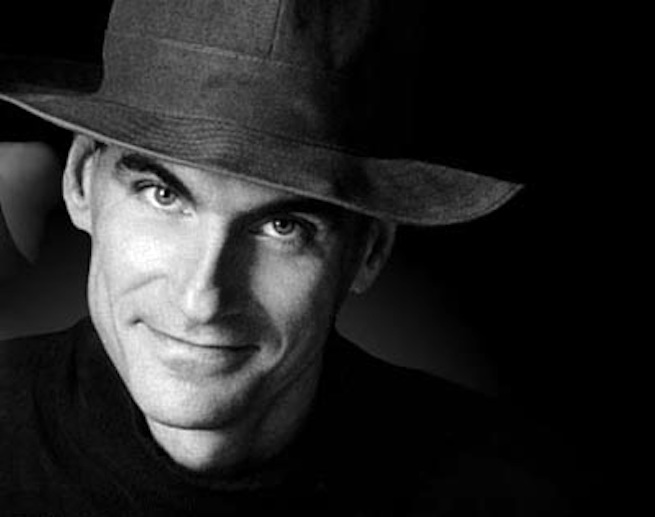 James Taylor’s works are mainstream, and distributed as such; his website sends us to amazon.com for purchase. As here at Cover Lay Down we prefer to avoid supporting the corporate middleman in favor of direct artist and label benefit, we recommend that those looking to pursue the songwriting and sound of James Taylor head out to their local record shop for purchase.
Not sure where to begin? Anything released between 1968 and 1974 provides the best introduction to JT’s core sound; I promise it’s folkier than you remember. Jaded folkies who stopped listening a while back might take a second look at Taylor’s 1977 release JT, or albums from the late eighties and nineties such as Never Die Young, New Moon Shine or Hourglass, which stand on their own as well-produced contemporary folk. 2007 DVD release One Man Band, Taylor’s return to a sparser acoustic sound, is an anomaly in the midst of an otherwise-AAA pop-trending career. And coverlovers who do embrace his smoother side are advised – with caveats – to at least consider his two post-millennial covers albums.
As for bonus tracks: for years, I’ve been saving the bulk of my collection of covers of James Taylor originals for a future Folk Family Feature on the Taylor family – including James, brother Livingston, sister Kate, son Ben, daughter Sally, and Ben and Sally’s mother Carly Simon. But I’ve been leaking them slowly and surely as time goes on, and the floodgates are open today. So here’s a full Single Song Sunday-sized set of covers of my favorite lullaby, from Mark Erelli’s tender bedtime crooning to William Fitzsimmons’ fragile indiefolk to a young and drunken Bonnie Raitt’s live heartbreaker. Download the zip file here, or pick and choose below.
Cover Lay Down shares new songsets and ethnographic musings bi-weekly thanks to the kind support of readers like you. Here’s how to do your part:
- Support the continued creation of music by purchasing artists’ work whenever possible.
- Spread the word to friends and family by joining our Facebook page and clicking “like” on a favorite post.
- Share the wealth by sending us your own coverfolk finds and recordings.
- Donate to Cover Lay Down to help defray server and bandwidth costs.
Comment » | Featured Artists, James Taylor, Reposts, Single Song Sunday
Notes from Isolation: A Soundtrack for Now
October 11th, 2020 — 11:44 am
A certain melancholy characterizes the songs of the world now. Piano and strings serve the mood as much as the slow guitar. New song lyrics and releases speak of coming to terms with, missing, absence: familiar themes of hope and longing magnified in every fraught moment.
Covers come this way, too. Poignant songs; poignant versions. Melancholy wrung from the masking chords of the synth-pop seventies and yesterday: pop and grunge; rock and roll, all painted with the veneer of unsettledness that characterizes the world. Here to hold us. Here, to bring the familiar into the strange. Softly. Wisely. Wistfully.
They’re mostly acoustic, these covers. Mostly solo, too, or at least done at home – like everything is, and has been, since the world shrunk down to staircases and silences, with nowhere else to tour or play, bandmates quarantined in different cities, and all of us alone, in our own darknesses.
The quiet suits our mood, our modality. The circularity of coverage soothes, quelling the adrenalin with the warm comfort of familiar.
Here, then. Songs, plucked from the viral air. Voices we love and long for, come to us in our affliction. Hope and heartache, to meet us where we are. Silences sounded, to sit inside, and let the mind cease its restless movements. That we may be at rest, if only for an hour.
Notes from Isolation: A Cover Lay Down Mix [zip!]
- Aoife O’Donovan: Not Dark Yet (orig. Bob Dylan)
- Sarah Jarosz: I Still Haven’t Found What I’m Looking For (orig. U2)
- Tallie Gabriel: Who Knows Where The Time Goes (orig. Sandy Denny)
- Jenny Reynolds: I’m So Lonesome I Could Cry (orig. Hank Williams)
- Molly Tuttle: How Can I Tell You (orig. Cat Stevens)
- Gillian Welch: Hello In There (orig. John Prine)
- Joshua Radin: Lean On Me (orig. Bill Withers)
- Reid Jamieson: Isolation (orig. John Lennon)
- Kate Rusby: Carolina In My Mind (orig. James Taylor)
- Kris Angelis: Wheels Of Laredo (orig. Tanya Tucker)
- Sam Amidon: Light Rain Blues (orig. Taj Mahal)
- Emma Swift: I Contain Multitudes (orig. Bob Dylan)
- Kama Vardi: These Days (orig. Jackson Browne/Nico)
- Tyler Nail: Waterbound (orig. Dirk Powell)
- Passenger: Someone You Loved (orig. Lewis Capaldi)
- William Fitzsimmons: Angel From Montgomery (orig. John Prine)
Always ad-free and artist-centered, Cover Lay Down has been on the web since 2007, thanks to kind support from artists, promoters, and YOU.
So do your part: listen, and then follow links back to the sources we provide, to share your love with those who make this all happen. And though it should go without saying, as always, when you find what you love, please be a patron, too: buy the music, or the t-shirt, from artist-friendly sources like Bandcamp; donate to newly-formed artist support funds, join Patreons and Kickstarters, and follow Venmo and Paypal links to give back if you can, the better to keep the music flowing in these troubling times.
7 comments » | Aoife O'Donovan, Emma Swift, James Taylor, Kate Rusby, Mixtapes, Molly Tuttle, Passenger, Reid Jamieson, Sam Amidon, William Fitzsimmons
Isolation Coverfolk: A Social Distancing Playlist
March 14th, 2020 — 11:17 am

Looks like we’ll be home for a few weeks, thanks to late-game honest-to-goodness State of Emergency declarations at every scale of government. We’ll have time, now, for that backlog of sound. And we’re looking forward to sharing. Because we’re all going to need some good strategies to fight the loneliness, in the days to come.
For a few hours, there, we were out in it: sharing fears as we wound up teacher planning sessions for putting schoolwork online “if it happens”; chatting lovingly and too long in the parking lot with friends and neighbors stocking up on nicotine and beer at the local package store. Now it’s morning, and the truth hits hard: for the first time in weeks, we’ve got nothing to do. And we shouldn’t go out: for the first time in a lifetime, most of the world is off-limits, anyway.
Being holed up with the spouse and children isn’t a bad thing: the house desperately needs cleaning, and we need the practice at sharing close quarters after a few growing pains years. They’re high schoolers now, the elderchild and the wee one stumbling through adolescence, and the shared time together will be among our last: this, and a pending trip for one more school vacation in the Outer Banks, by the sound; the summer that follows, and then – maybe – college, and the world apart.
It’s scary, out here. But we’re blessed: we have each other. And for us, more broadly, the virtual world we’ve maintained provides endless options for staying close, if we embrace it. The more we act to fill the spaces between us, the more held we will feel, as the weeks follow.
And it’s happening. Churches are going virtual. House concerts aren’t being cancelled; they’re going online. Thursday night I joined a Facebook watchparty for Kris Delmhorst’s live living room stream, in which she raised enough money to pay herself, the venue, and all the staff who would have been working that night if her scheduled show at Club Passim had gone on as planned, and enough left over to seed a fund to support more artists and venue staff as the closures take hold. Monday, my students will hear my voice, in a short video I plan to film tomorrow introducing them to their virtual packet analyzing Martin Luther King Jr’s message of hope and responsibility as they hole up in their apartments and urban homes.
There are hundreds of ways to stay close, in spirit and in voice – to support the lonely, and the out of work and sorts. All it takes is us, to come, and be welcome, and present with each other, even here, in our screens and distances, as we work to save the world.
May our homes be havens and safe houses, not prisons. May our isolation be brief, and brave. And may these electric waves between us sustain us, in the hours and days to come.
CLD Presents: An Isolation Coverfolk Mix [zip!]
- Jeff Tweedy: At My Window Sad and Lonely (orig. Wilco/Woody Guthrie) [2014]
- Ember Isles: Tonight I’ll Be Staying Here With You (orig. Bob Dylan) [2015]
- Paolo Santos: Don’t Let Me Be Lonely Tonight (orig. James Taylor) [2012]
- Shannon LaBrie: All By Myself (orig. Eric Carmen) [2019]
- Steve Shaw: Solitude (orig. Black Sabbath) [2019]
- Barnstar: I Think We’re Alone Now (orig. Tommy James) [2011]
- Joshua James: To Be Alone With You (orig. Sufjan Stevens) [2011]
- The Wailin’ Jennys: Not Alone (orig. Patty Griffin) [2017]
- Ana Leorne: Close To You (orig. The Carpenters) [2018]
- Ana Leorne: We’re All Alone (orig. Frankie Valli) [2018]
- Jemma Johnson: Half The World Away (orig. Oasis) [2015]
- Civil Twilight: Dancing With Myself (orig. Billy Idol) [2016]
- Kathy Mattea: From A Distance (orig. Julie Gold) [1991]
- Priscilla Ahn: All By Myself (orig. Eric Carmen) [2016]
- Homesick Elephant: Waiting Room (orig. Fugazi) [2013]
- Ollabelle: I Am Waiting (orig. The Rolling Stones) [2004]
- Run, Ryan: Waiting (orig. Julie Nunes) [2014]
Forever ad-free and artist-focused, Cover Lay Down thrives at the intersection coversong and the folkways thanks to the support of artists, labels, promoters, and YOU.
So do your part. Listen, deeply. Comment and spread the word. Follow the threads of discovery. Purchase the music you love, to support the arts and the artists in their struggle to thrive and survive.
Connect. And stay safe, as always. The world is counting on us.
RIP David Olney (1948-2020)
A songwriter’s legacy, covered in folk
January 22nd, 2020 — 09:46 pm
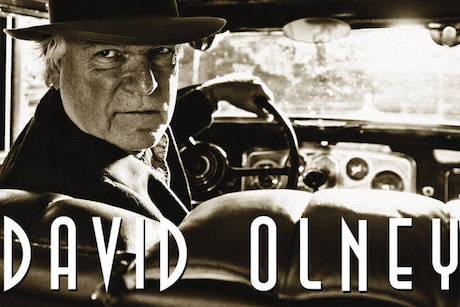
It’s hard not to write about David Olney without name-dropping. When the 71 year old touring folk musician and “founding father of Nashville Americana” died quietly on stage during a performance this weekend, the world lost a songwriter’s songwriter, known at least as well in the deeper branches of the folk and bluegrass worlds for his collaborative work with Steve Earle, Del McCoury, Tim O’Brien, and Emmylou Harris as for his ongoing work as a touring and recording artist in his own right, on the circuit since arriving in Nashville in the early seventies. The bluegrass and folkhouse labels on which others have released recordings of his songs mark a strong pedigree: Rounder, Sugar Hill, Compass, Philo, Red House. And the tributes pouring forth on social media in the last few days from those who worked with him, and had plans to work with him, are a veritable who’s who of the modern folk circuit: Mary Gauthier, Amy Rigby (who was onstage with him when he passed), Amy Speace, Alejandro Escovedo, Ellis Paul, Abbie Gardner, Tom Russell, Janis Ian, Cheryl Prasker, Tom Pradasa-Rao, and more.
What made Olney’s life’s work so special? Townes Van Zandt, famously – a contemporary, though it’s harder to remember when talking about artists who died young – once listed Olney as one of his top four songwriters, next to Mozart, Lightnin’ Hopkins, and Dylan. Others describe the joy of working together, collaboratively, or being in the round with him on stage, learning from a humble master. Mary Gauthier, on her personal page, notes especially his masterful choice of perspective and point of view – reconsidering the story of Jesus from the perspective of the huckster ripping people off on the next hill over, looking at the effects of WW I on soldiers from the viewpoint of a French Prostitute in 1917 – even taking on the sinking of the Titanic from the point of the iceberg, which lends a chilling randomness to death and movements alike.
Whether performing his own songs, or handing them off in whole or part to others, David Olney’s ability to take on the vivid voice of the peripheral, the powerful, the frustrated and the villainous to reveal the gritty reality of the masses was unparalleled. Today, a short list of covers, performed by contemporaries and inheritors alike, in thanks for his graceful presence – in the music, and in the lives of those he touched.
- The Wailin’ Jennys: Deeper Well
- Beau & Luci: Deeper Well
- Vassily K.: Deeper Well
- Gary Peters: Deeper Well
- Hobnail: Deeper Well
If David Olney was a household name at all, it was at least in part due to his co-write on this famous track from Emmylou Harris’ turning point album Wrecking Ball, which marked a transition in her career from Country sweetheart to an artist at the forefront of the new, lush Americana. Though Olney had recorded it several years earlier, later covers of the song – Olney’s most covered, surely – generally took on Harris’ arrangement with Daniel Lanois, and attribute the song to Harris herself; of these, several stand out: The Wailin’ Jennys‘ high-energy live harmonies, for sheer energy and beauty; Gary Peters‘ false-start banjo droner, for its slow build to mysticism; Russian bouzouki player Vassily K.’s picker’s melodrama; the military drums and country slide New Zealand roots quartet Hobnail bring to the table before slamming the thing wide open…and the only Olney cover we’ve posted here before, a tense 2017 Year’s Best Single from new-age indie-folk siren sisters Beau & Luci.
Slaid Cleaves‘ out-of-print 2006 covers album Unsung is a corrective: a song-by-song tribute to artist “friends and colleagues” in the scene whose names are not household names, but should be. Cleave’s dark, dusty take on Millionaire offers a perfect exemplar of Olney’s ability to inhabit and expose the fundamental evils of power without transforming the powerful into antiheroes; the smug braggadocio in this litany of exploitation and excess comes through loud and clear in Cleaves’ gruff, slightly queasy style – a counterpoint to the deceptively mellow, lighthearted cheer Laurie Lewis and Tom Rozum brought to the same song almost a decade earlier.
Originally covered by a world-weary Linda Ronstadt and Emmylou Harris on their sweet, stripped-down 1999 duo album Western Wall: The Tucson Sessions, nestled comfortably alongside equally tender takes on songs by Springsteen, Patty Griffin, Sinead O’Connor, Leonard Cohen, and Jackson Brown. Seattle singer-songwriter and Irish traditionalist Erin McNamee‘s Celtic-tinged version, from her delightful 2010 album Whores and Fishermen, recasts the song as even more whispery and wistful – tender, even, with nary an ounce of bitterness, a whore truly mourning the soldiers who have shared her bed.
Olney’s recognition transcends borders, for sure. Though If My Eyes Were Blind was famously covered by both Steve Young and Mimi Farina in the eighties, I’m quite fond of these two takes, from prolific Netherlander singer-songwriter Ad Vanderveen and equally prolific amateur Finnish ukelele Youtuber Old Gardner Guy – the first lush and more tuneful, the second torn and ragged; both serve the longing achingly.
A cowrite with Sony staff songwriter and indie label founder Carol Elliott, whose 1995 recording of the song live from Kerrville seems to be the only official recording available, Mae Robertson‘s luxurious dreamland cover evokes the sweeter side of Olney, in partnership – one we hardly ever saw enough: the gentle, simple lullaby-crooner, sensitive to the language of love, with tender, assonant tonality, reminding us that it takes a true understanding of comfort to show it any any distance, even – perhaps especially – up close.
There’s nothing beautiful or lyrical about this pair. The original Love’s Been Linked To The Blues, off 1991 release Roses, is a pretty straightforward loose acoustic shuffle-blues, complete with trumpet solo, telling a familiar if unusually literate story of what love drives us all to, eventually, in “I saw it on the news” virus-tracking format; Garnet Rogers kicks it up a notch to electric barroom slide, a growlin’ and a moanin’. And fellow Nashville denizens Kieran Kane and Kevin Welch bring a hollow resonance to the core cautionary tale of Postcard From Mexico, a solid electrofolk groove about a dangerous woman and her aftermath officially released around the same time as Olney’s version.
- Linda Ronstadt: Women ‘Cross The River
- Ronstadt Generations Y Los Tucsonenses: Women ‘Cross The River
A masterpiece of structure, borrowed from a Chinese poetic form in which the first and second couplets in each verse trade off disparate storylines, coming together with one story image as metaphor, resolution, or counter-image for the other in line five. The juxtaposition of wise and (deceptively) gentle women in the distance and the close-by folly of building bulwarks against the ages is as wise and poetic as Ozymandias – and the device of externalization sublime, in both Linda Ronstadt‘s contemporary folk-ballad retelling, and her brother and nephews‘ jazzed-up reconstruction.
Two years before Wrecking Ball broke the mold, Emmylou recorded another of Olney’s compositions as a decidedly more dustbowl country talksong, showing roots close to Townes’ – at least until the clarinet kicks in, that is. Bluegrass balladeer James King takes the tale of a desert huckster trying to figure out Jesus’ angle up to a drawling tenor, at the top of his range, and the strain fits the song perfectly. Mary Gauthier posted the lyrics to this one over the weekend in tribute to Olney’s passing. Great choice, Mary. We’ll miss you, David.
Always ad-free and artist-centric, Cover Lay Down has been digging deep at the ethnographic intersection of folkways and coversong since 2007 thanks to the support of artists, labels, promoters, and YOU.
So do your part. Listen, deeply. Follow the threads. Purchase the music you love, and in doing so, support the arts and the artists in their struggle to thrive and survive.
And if, in the end, you’ve got goodwill to spare, and want to help keep the coverfolk flowing? Please, consider a contribution to Cover Lay Down. All gifts go directly to bandwidth and server costs; all donors receive undying praise, and a special blogger-curated gift mixtape of well-loved but otherwise unshared covers from 2018.
On the Trail of Social Justice, Redux
(More songs of place and protest)
January 18th, 2020 — 05:26 pm
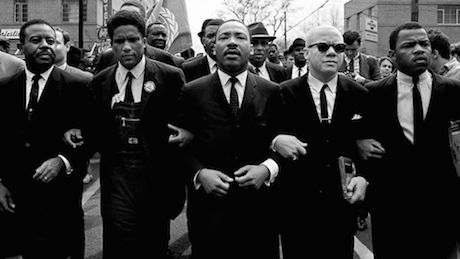
Three summers ago, we drove together up the country on the trail of social justice, from New Orleans to the great gentrified factories at the base of the Great Lakes. The Birmingham Jail, a historical marker in a small weedy quarter-lot alcove, up against, sure enough, a modern jail and police station, just under the highway. The Maya Lin memorial chalice, at the foot of the Southern Poverty Law Center and the Alabama capitol building, all silent on a Sunday. The Edmund Pettus Bridge in Selma, and the shuttered Goodwill storefront at its base. Homeless people in the park in Birmingham, begging for cigarettes and change among the stark statues of children facing police dogs and fire hoses. The Lorraine Motel in Memphis, now the site of the National Civil Rights Museum, with its reconstructed scenes of the balcony where Martin Luther King Jr. was shot and killed. The National Underground Railroad Freedom Center in Cincinnati, with its rolling view of Kentucky, and the river that separates the American South and North.
I’m especially proud of the long essay that captures our 2017 journey, which I posted upon our return alongside a short soundtrack of social justice songs of hope and freedom. It’s a trip that everyone should take, to bring a sense of scale to our national struggle towards justice for all.
But I am less proud, and sometimes ashamed, at the ways in which the long arc of the moral universe bends so slowly, so inconsistently towards justice. And although I work hard to do my part to keep the world getting better – even through Cover Lay Down itself, which by remaining ad-free and always celebrating the artists we find and want to share, aims to walk the walk of fair compensation and cultural continuity – I am bothered, far too often and well, at how overwhelming the work can seem, when seen from a distance.
It’s hard to celebrate the triumphs of a culture when you work in a city whose white mayor just proclaimed, despite a unanimous vote to the contrary by a largely non-white city council, that our gates will remain closed to refugees seeking sanctuary. It’s hard when the national news of young immigrants caged at the border fades into the drumbeats of war and disillusionment, pushing us to forget that those cages are still full, and our fellow humans still not free. It’s hard when I see my students arrive each morning – if indeed they bother to show up at all – sullen, tired, and hungry, their yearning to be free inarticulate, buried under a well-worn, well-practiced patina of brash hostility and callousness, if indeed it exists in them at all.
I teach social justice, in my way: English teachers have to teach conviction, else their students’ language languishes, purposeless; in the urban environment, the pressure is higher, and the injustices more present, if less articulable by its struggling residents. But we do our part with readings and thematic focuses on loneliness, responsibility, injustice, and the inaccessibility of the American Dream. My ninth graders started the year with Baldwin and Esmeralda Santiago’s When I Was Puerto Rican, seeing their own hopeless streets in a ghettoized Harlem, their own otherness in Santiago’s struggles to redefine her identity after her native tongue became alien and strange in Brooklyn. In my Advanced Placement Language and Composition classes, we read Swift’s call to power, and King’s call to morality; we talk fairness and equity, ideals and ethics – you have to. For years, I taught media literacy, and drama, as ways out of the mass mindset.
Empowering people is what I do, vocationally. And when you work in the inner city, there’s urgency in everything.
But there’s also an awful lot of hopelessness out here.
It’s hard to feel like we live in a just world. But we have to believe: the arc of the universe still bends towards justice. As long as we do our part, that is. As with anything, our part starts with memory, and moves to action.
And thanks to its forefathers and their inheritors – among them Seeger and Guthrie; Dylan, Holly Near and Richard Farina; Richard Shindell and Emma’s Revolution and Jean Rohe – folk, perhaps more than any genre, has long provided a potent vehicle for our articulation of these values, and this mandate. And though there are some who ask where the good protest songs are, there are others, like us, who say: here they are. Sing them with us, loudly.
Today, then, in memory of Martin Luther King Jr.: a short mix of coverfolk that call us to memory and legacy and action, just the latest in a series of long, loving songlists and musings on social justice, immigration, and hope and change shared here previously. Songs whose lyrics and strong sentiment push us ever onwards, whose stubborn persistence echoes from the mountaintops, whose continued re-performance helps fertilize hope against the cold.
No, no, we are not satisfied, and we will not be satisfied until justice rolls down like waters and righteousness like a mighty stream. It was true in 1963, as King’s words rang forth across the air and waters; it is true today. Yet may our voices still rise in solidarity and challenge, determination and daring, as we push back against the forces that would dam that stream. And may we know justice and equality in our lifetimes, and be proud of our labors, our protest, and our pride.
- My Sweet October: Like A King (orig. Ben Harper) [2011]
- Anais Mitchell and Kate Staples: Woyaya (orig. Osibisa) [2018]
- Shawn Colvin: Pride (In The Name of Love) (orig. U2) [2006]
- Richard Shindell: Born In The USA (orig. Bruce Springsteen) [2007]
- The Band of Heathens: Abraham, Martin & John (orig. Dion) [2018]
- Drew Holcomb: People Get Ready (orig. Curtis Mayfield) [2013]
- Ed Sheeran: Masters of War (orig. Bob Dylan) [2013]
- The Acfields: Up To The Mountain (orig. Patty Griffin) [2018]
- Bekah Fly: Redemption Song (orig Bob Marley) [2019]
- Shawn James: A Change Is Gonna Come (orig. Sam Cooke) [2014]
- Lindsay Ell: Waiting On The World To Change (orig. John Mayer) [2018]
- Letitia VanSant: For What It’s Worth (orig. Buffalo Springfield) [2018]
- Tyler Shipley: Spirits of the Revolution (orig. Larry Estridge) [2017]
- Anais Mitchell and Kate Staples: Woyaya (acoustic demo) (orig. Osibisa) [2019]
- Lauren O’Connell: I Hear Them All (orig. Old Crow Medicine Show) [2014]